
 Need help? Call us: 01-5330184, 01-5344456, 9841611771


Messenger
Send us a message and we'll respond as soon as possible!
Chat with us!
Exclusive Books Hub
Books for you
23% OFF
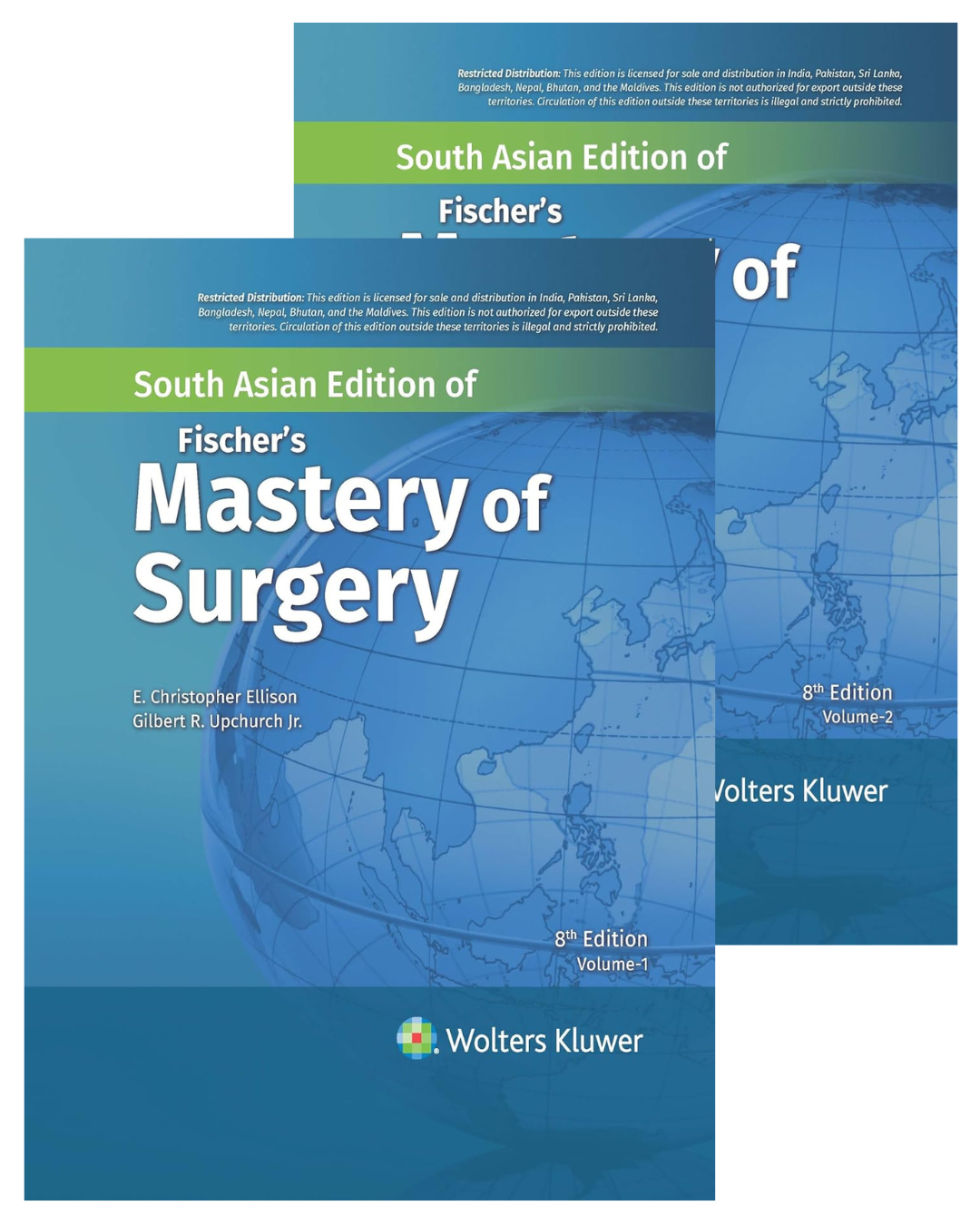
Fischer's Mastery of Surgery 2VOL SET
Nrs. 21,990Nrs. 28,560

23% OFF
A Short Textbook of Psychiatry
Nrs. 1,105Nrs. 1,432
23% OFF
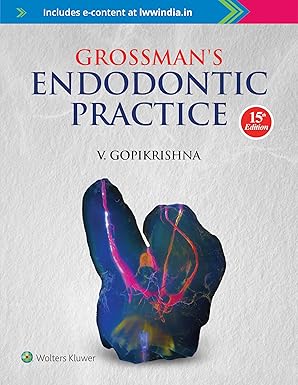
Grossman's Endodontic Practice
Nrs. 2,095Nrs. 2,718
23% OFF
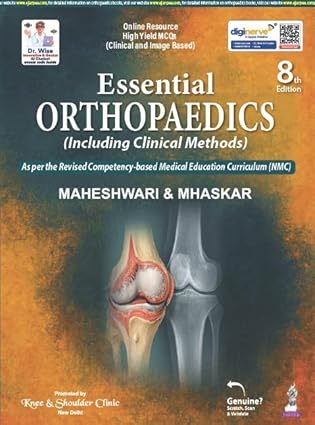
Essential Orthopaedics-Maheshwari
Nrs. 980Nrs. 1,272
23% OFF
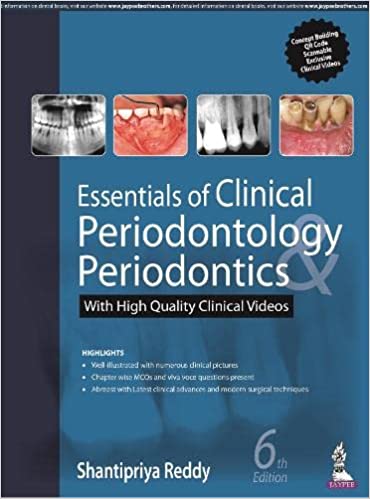
Essentials of Clinical Periodontology and Periodontics
Nrs. 1,840Nrs. 2,392
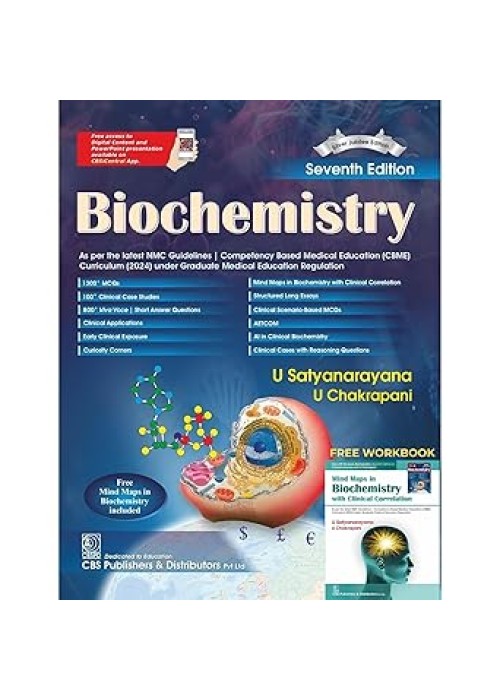
23% OFF
Biochemistry - U. Satyanarayana and U.Chakrapani
Nrs. 2,280Nrs. 2,960
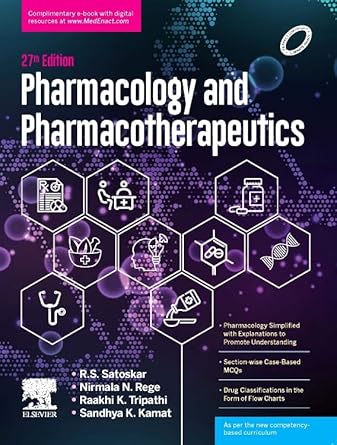
23% OFF
Pharmacology and Pharmacotherapeutics
Nrs. 2,250Nrs. 2,920
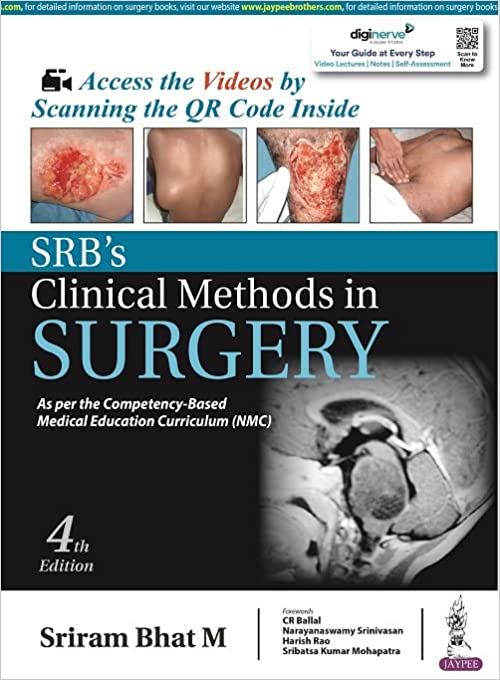
23% OFF
SRB's Clinical Methods in Surgery
Nrs. 1,880Nrs. 2,440

Unlock your complete learning medical hub
Get access to expertly curated flashcards, clinical guidelines, drug monographs, research journals, special coupons and discounts, all in one subscription.
Research Journals
Flashcards
Drug monograph
Syllabus
Special Coupons & Discounts

20% OFF
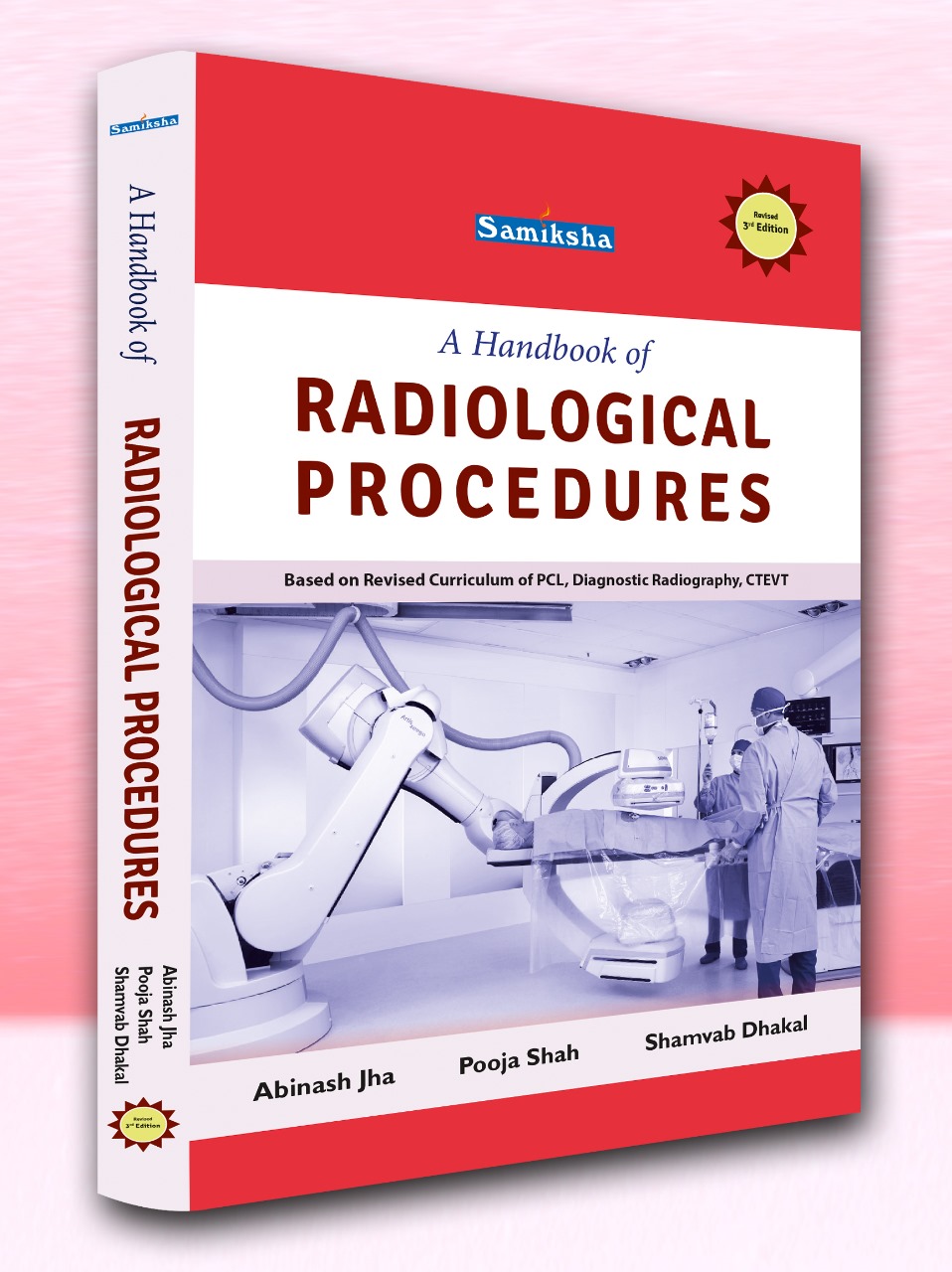
A Handbook of Radiological Procedures
Nrs. 475Nrs. 595
20% OFF
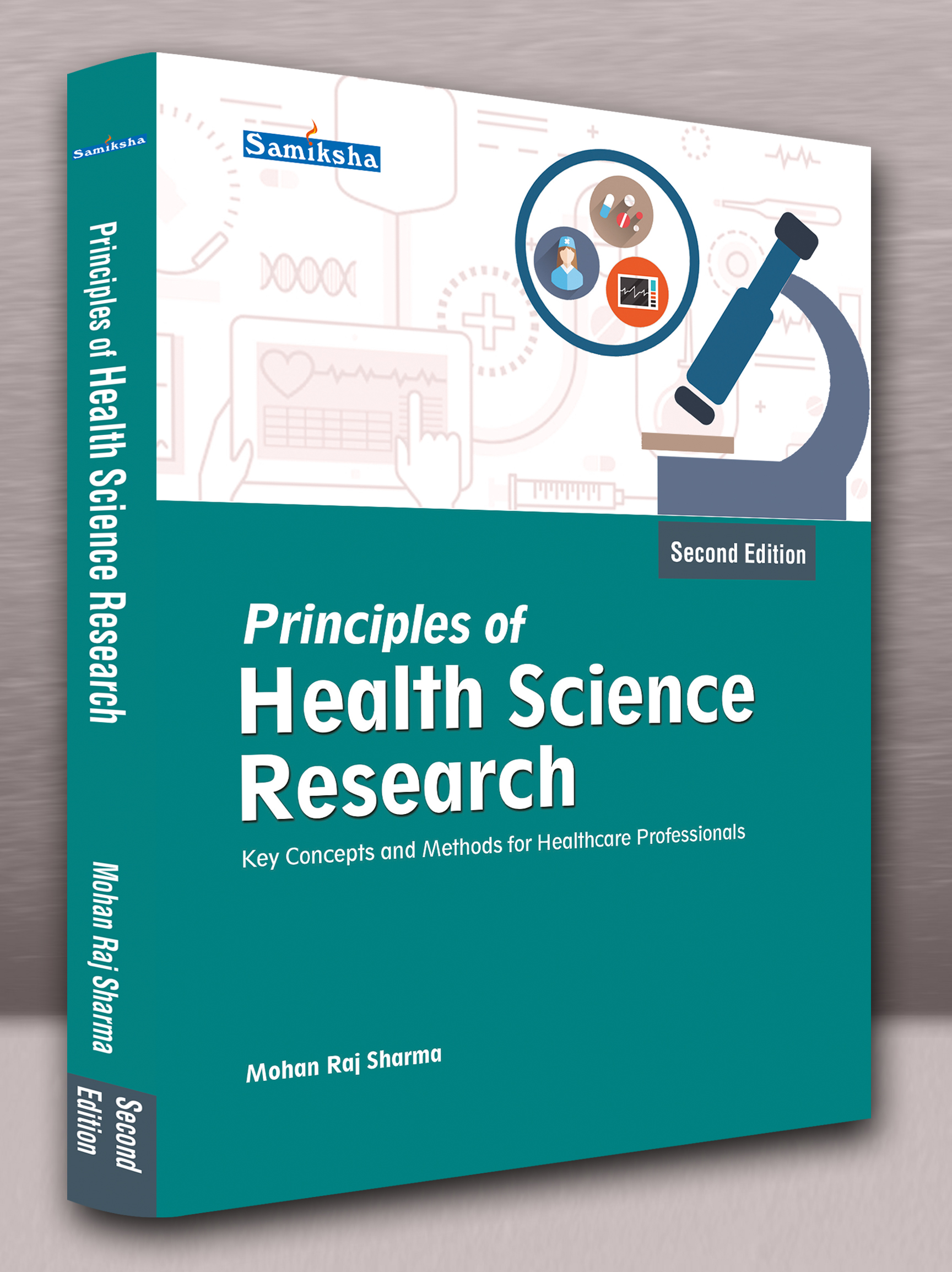
Principles of Health Science Research
Nrs. 740Nrs. 925
20% OFF
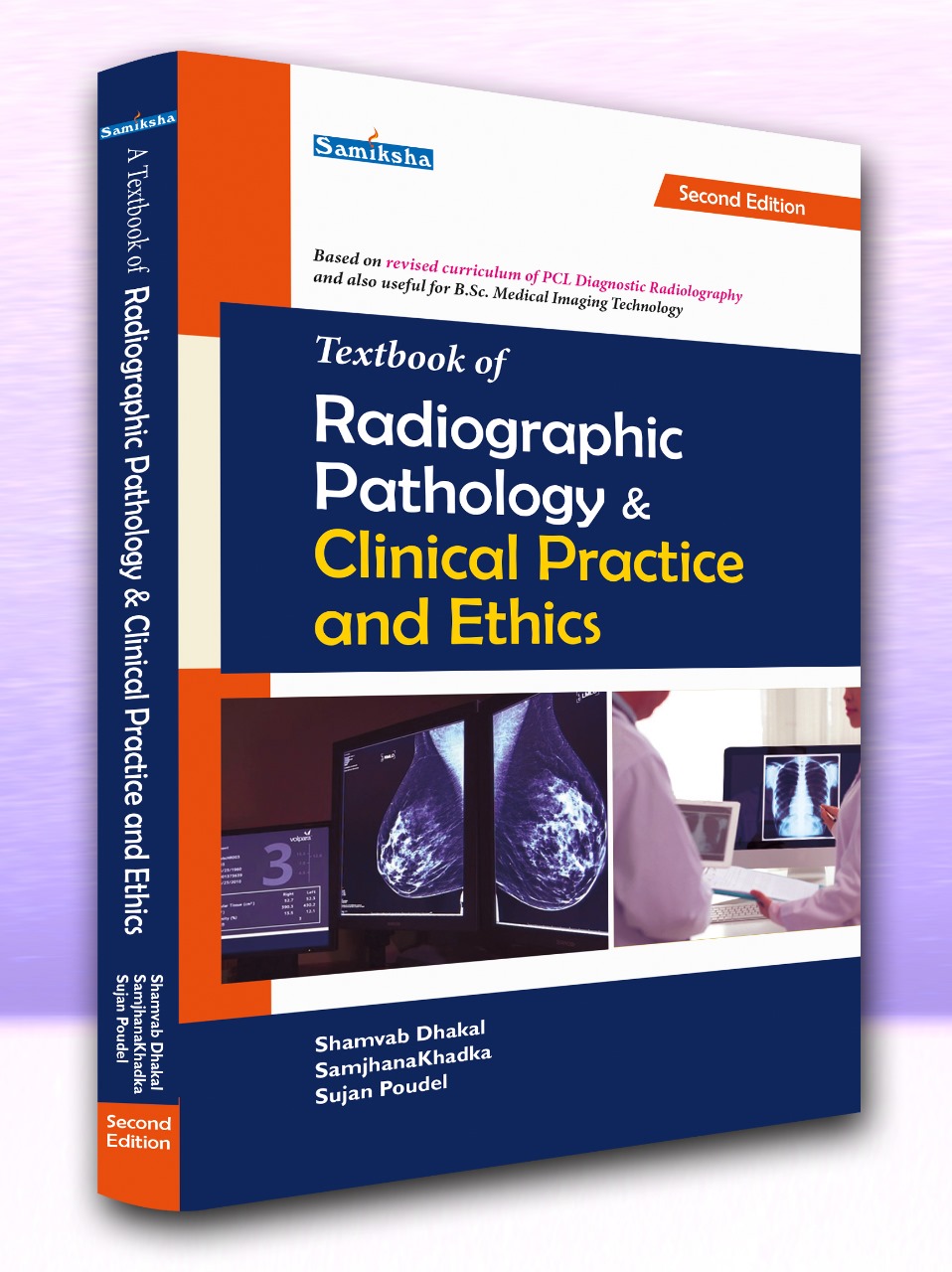
Textbook of Radiographic Pathology & Clinical Practice and Ethics
Nrs. 440Nrs. 550
20% OFF
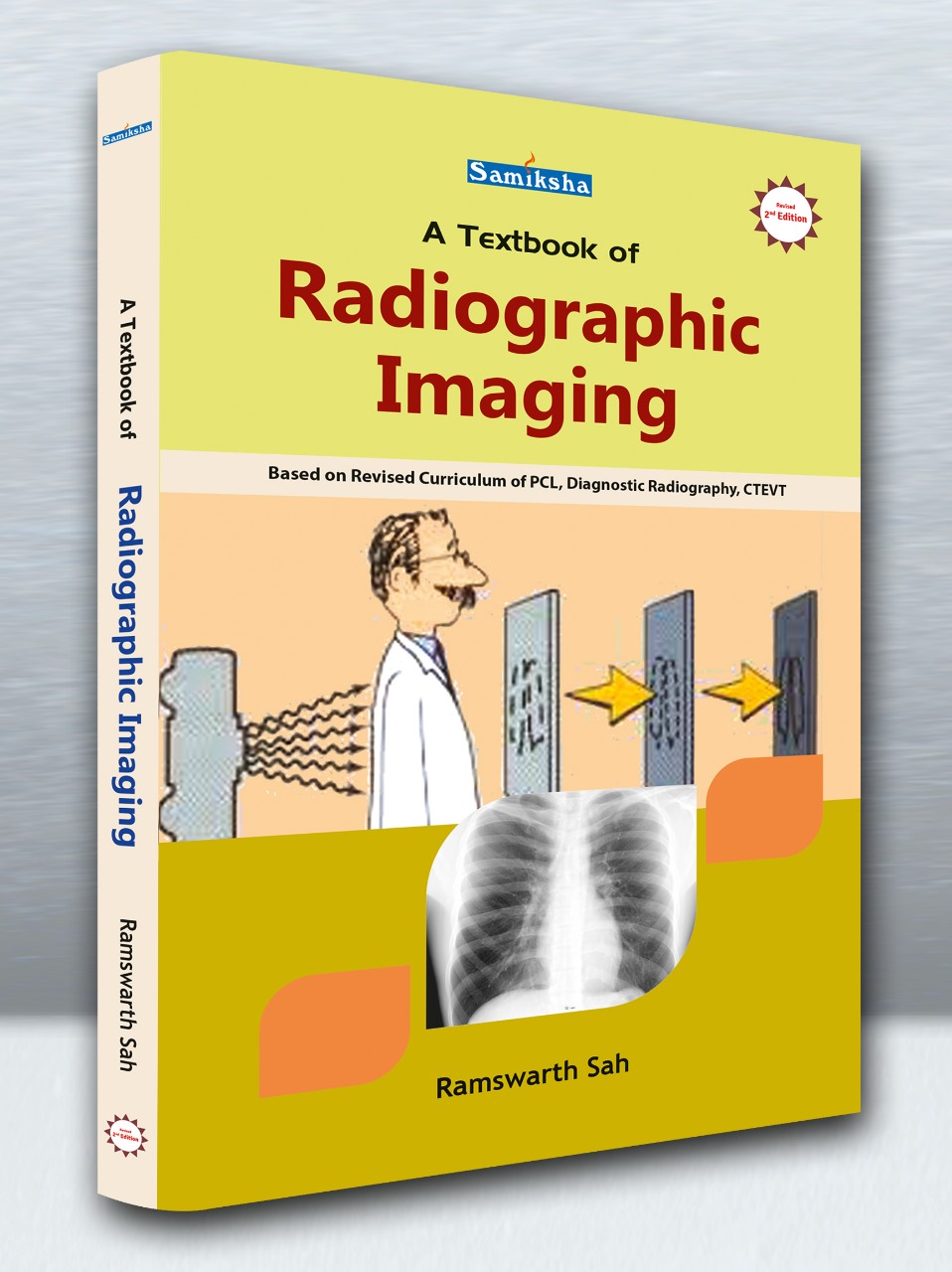
A Textbook of Radiographic Imaging
Nrs. 420Nrs. 525
20% OFF
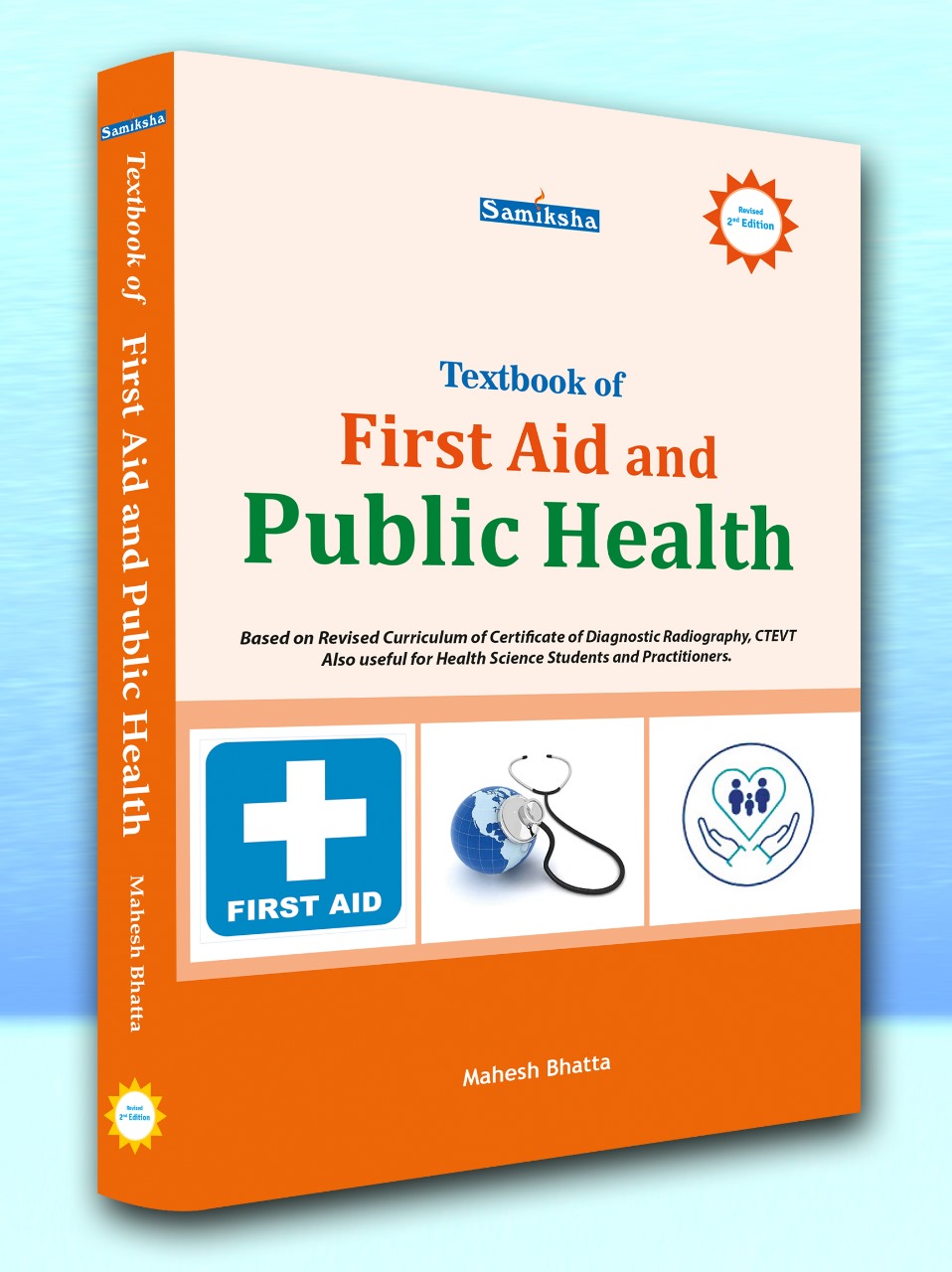
Textbook of First Aid and Public Health
Nrs. 700Nrs. 875
Shop by Tags




Elevate your knowledge with Nepal’s leading e-learning hub
Your one-stop hub for for academic course support and expert-led objective exam preparation.
08 October, 2025
by Samiksha Acharya
Traditional Chinese Medicine (TCM) and Nepal
Nepal and China share centuries old social, cultural, and economic ties. One of the most prominent examples of this connection is the historic salt-grain trade that flourished along the trans-Himalayan Silk Route which was not only a channel for economic exchange but also a bridge for twhe transmission of knowledge and culture. Among the most significant aspects of this exchange was the sharing of medicinal knowledge and the trade of Himalayan medicinal plants. Over time, this ancient bond has continued to evolve and the inception and practice of Traditional Chinese Medicine has further added a brick to this relationship, contributing to the growth of holistic and integrated healthcare system in Nepal. This development reflects not only the continuity of our historic ties but also a shared vision for the future of healthcare rooted in ancient wisdom.
Nepal itself has a rich and diverse tradition of herbal medicine, shaped by cultural influences and indigenous knowledge. The most common traditional healing systems in Nepal are: Ayurveda: Ayurveda is made up of two words “ayus” meaning life or longevity, and “veda” meaning deep knowledge or wisdom.It is a well established practice in Nepal with a long history rooted in Hindu scriptures known as Vedas ( Atharva Veda).Tibetan Medicineor Sowa Rigpa : It used to be limited to isolated areas of the Himalayas, where the "Amchis" who practiced this technique were the main healthcare professionals. However, it is now making a strong comeback and spreading beyond its traditional strongholds. Local Indigenous Healing Systems, practiced by various ethnic communities across Nepal, who use native plants, spiritual rituals and ancestral knowledge passed down through generations.
Alongside it, TCM is steadily gaining popularity especially acupuncture, cupping and herbal treatments. Major Hospitals like Civil Service Hospital (Kathmandu) and BP Koirala Memorial Cancer Hospital (Chitwan) have integrated TCM. And with the establishment of China-Nepal Traditional Medicine Cooperation Committee in 2023, we are hopeful for deeper collaboration and a more structured exchange of knowledge in our traditional medicine system.
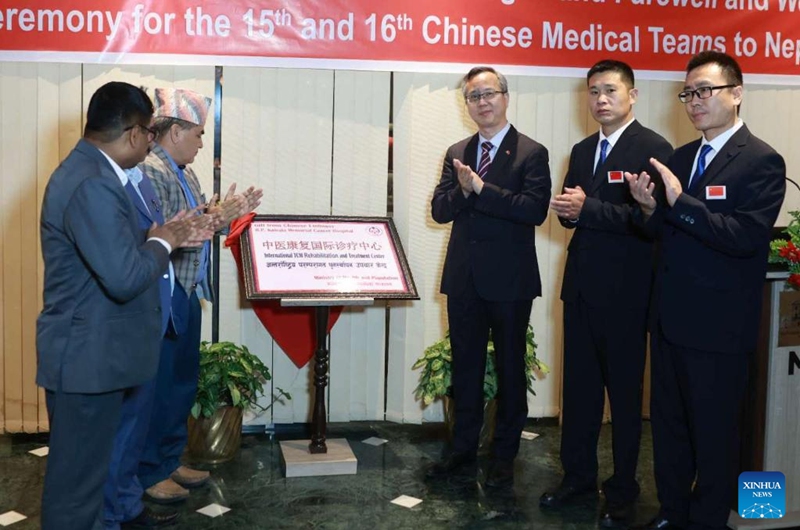
Despite the tremendous possibilities that Traditional Chinese Medicine holds, Nepal is still in the early stages of creating the ecosystem needed for its growth. While the interest is there, we currently lack the infrastructure to fully support its integration. We need more clinics, more training centers, and most importantly, more skilled practitioners.
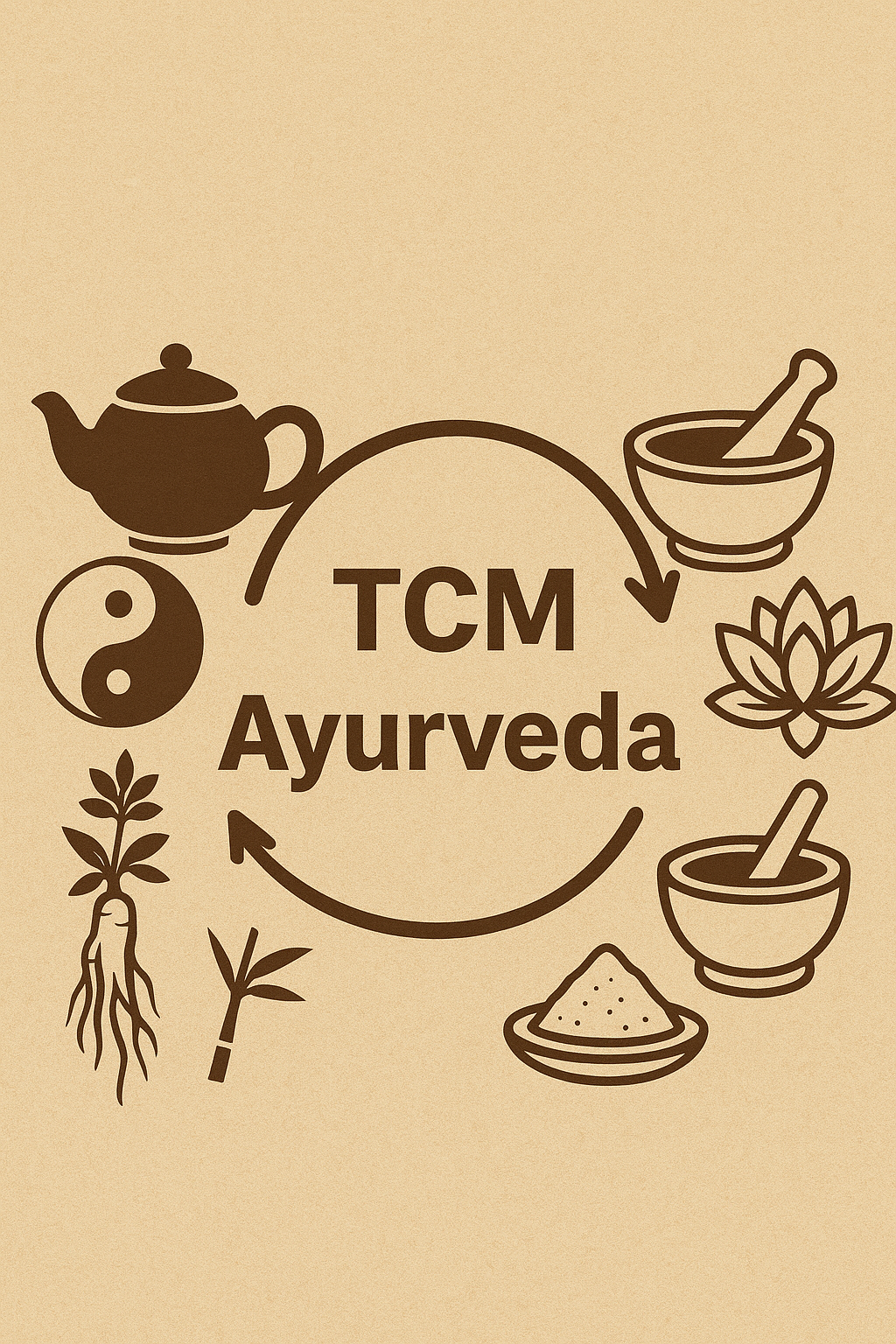
As we look forward, one of the most promising opportunities lie in developing an integrated and holistic traditional medicine practice through the fusion of TCM and Ayurveda. While they come from different cultures, both of these are guided by a shared and common principle: the belief that healing begins with balance.The goal is not simply to treat symptoms, but to restore harmony, to understand the unique constitution of each individual and to gently guide the body back to its natural rhythm. This is profoundly different from many modern approaches that focus primarily on disease management.
Potential Collaborations and support
To bring this vision to life , one possible step could be the establishment of a joint venture or collaborative institution that brings together the wisdom and science of Ayurveda and TCM. This could serve not only as a center for research and clinical practice but also as a symbol of trust , unity and shared purpose and vision.
Another possible collaboration lies in the exchange of students, researchers and practitioners moving between China and Nepal to learn from one another, to observe, to share and return with new perspectives.A vital step in this direction could be the introduction of structured academic programs in TCM within Nepal.
Nepal’s diverse topography, rich in biodiversity presents yet another opportunity.We can cultivate a wide range of medicinal herbs right in the Himalayan foothills. Likewise, collaboration between Nepal and China can play a vital role not just in utilizing medicinal herbs, but also in protecting them. Joint efforts in conservation, sustainable harvesting and research can help preserve endangered Himalayan herbs
Of course, none of this can happen without awareness. A lasting trust and engagement on a large scale can only be built by investing in meaningful public and formal education. Integrated teaching and learning activities in traditional medicine are needed in the curriculum of high schools, colleges, and universities. Equally important is the need to raise public awareness through community engagement, as many people are still unfamiliar with the potential and comparative benefits that TCM has to offer. so,we can envision a brighter future of our holistic efforts together in TCM, Ayurveda and other traditional medicine.
Our country Nepal is rich in biodiversity with the promising hub for natural resources and traditional medicinal plants. Nepal has between 1,600 and 1,900 plant species, many of which are integral to traditional medicine systems like Ayurveda, TCM, Tibetan, and Unani. Notably, over 1,700 plant species have documented medicinal uses across all 77 districts in Nepal. By leveraging its rich biodiversity and cultural heritage, Nepal can position itself as a leader in the global herbal medicine industry while preserving its natural resources for future generations. Our great neighbour China and we as a country of historic neighborhoods can work together to develop a deeply rooted ecosystem of our traditional medicine.
Read More

13 September, 2025
by Ashim Rupakoti
धर्म, प्रकृति र आत्माको संगम : दूधकुण्ड
सोलुखुम्बु जिल्लामा मेरो यो सातौं पटकको यात्रा हो । सामान्यत: सोलुखुम्बु भन्नासाथ सगरमाथा सम्झने गर्दछन्, जो–कोहीले । तर सोलुखुम्बु जिल्लामा सगरमाथा आधारशिविर मात्र नभएर पदयात्राका लागि धेरै स्थान छन् । यिनै स्थानहरूमध्ये यो पटक तल्लो सोलुमा पर्ने दूधकुण्ड पदयात्रा रह्यो । तल्लो सोलु यात्रा गर्दा लाग्यो म त निकै ढिला पो आइपुगेको जस्तो अनुभूति भयो ।
जीवनमा कतिपय यात्रा केवल गन्तव्यसम्म पुग्ने बाटो हुँदैनन्, कहिलेकाहीं ती बाटाहरू आत्मासम्म पुग्ने पुल बन्छन् । यस्तै भयो मेरो लागि सोलुखुम्बुको दूधकूण्ड यात्रा ।
जीवनमा कहिलेकाहीं यस्तो यात्राको अनुभव हुन्छ, जसले केवल आँखालाई मात्र होइन, आत्मालाई पनि छुन्छ । मेरो लागि सोलुखुम्बुको दूधकुण्ड यात्रा त्यस्तै अविस्मरणीय अनुभव बन्यो ।
जीवनमै पहिलो पटक २०४७ सालतिर तत्कालीन शाही नेपाल वायु सेवा निगमको जहाज चढेर जुम्ला जाने अवसर जुटेको थियो । तत्पश्चात् २०७० सालतिर काठमाडौंदेखि धनगढी यात्राको मौका मिलेको थियो भने यो पटक काठमाडौंदेखि फाप्लुसम्म नेपाल एयरलाइन्स चढ्ने अवसर प्राप्त भयो ।
काठमाडौंदेखि करिब ३५ मिनेट हाराहारीमा फाप्लु पुग्यौं । समुद्री सतहबाट २४ सय १३ मिटरको उचाइमा अवस्थित फाप्लु बजार दूधकुण्डको मात्र नभएर सगरमाथा क्षेत्र प्रवेशको ढोका पनि हो ।
Read More